Complete Laundry Guides
Everything you need to know about washing, drying, and caring for your clothes
Laundry Basics
Learn the fundamentals of washing clothes properly
- • Sorting your laundry correctly
- • Choosing the right temperature
- • Proper detergent dosage
- • Drying techniques
Stain Removal
Expert techniques for removing tough stains
- • Blood, grease, and wine stains
- • Emergency stain treatment
- • Home remedy solutions
- • Prevention strategies
Time-Saving Tips
Efficient hacks to streamline your routine
- • Speed washing techniques
- • Organization strategies
- • Weekly laundry schedules
- • Energy-saving methods
Quick Daily Tips
Simple habits that make a huge difference in your laundry routine
Check Pockets First
Always check for tissues, coins, or small items before washing to prevent damage.
Treat Stains Immediately
The sooner you treat a stain, the better your chances of complete removal.
Don't Overload
Clothes need room to move for proper cleaning and to prevent wrinkles.
Use Cold Water
Cold water saves energy and prevents colors from bleeding or fading.
Difficult and Unique Stain Situations
These tricky stains catch people off guard. Here's what you need to know before they ruin your clothes.
☀️ Sunscreen Stains
The chemicals (especially avobenzone) react with iron in your water and create rust-like orange stains on white clothing. They're incredibly stubborn once set. Treat these before washing with a degreaser or dish soap—never hot water.
💪 Deodorant Buildup
Not just yellow pit stains, but that crusty, waxy buildup that makes shirts stiff. It's aluminum compounds bonding with your sweat and fabric. Regular detergent won't touch it—you need an acid like white vinegar or aspirin dissolved in water.
💧 Hard Water Deposits
People think their whites are dingy or their towels are wearing out, but it's actually mineral buildup making fabrics gray and scratchy. You need a water softener or citric acid/vinegar rinses—not more detergent (which makes it worse).
🍛 Turmeric/Curry
The curcumin molecule bonds incredibly strongly to fabric. Sun exposure actually helps break it down, which sounds crazy but works. Dawn dish soap plus sunlight is your best bet.
🩸 Protein Stains + Hot Water
Blood, egg, and dairy washed in hot water become permanent. Hot water literally cooks the protein into the fabric. Always use cold water first for these stains.
🧾 Thermal Receipt Ink
The BPA coating transfers easily and regular stain treatments can actually spread it. Rubbing alcohol applied carefully with a cotton ball is the only real fix.
Mastering the Art of Low-Energy Laundry
Doing laundry is one of the most energy-intensive chores in the modern household. Between heating the water and running high-heat dryer cycles, a significant amount of electricity and gas is consumed every week. However, by adopting a few strategic habits, you can slash your utility bills and extend the life of your clothes.
Here are the five essential principles for an energy-efficient laundry routine.
1Cold Water is Your Best Friend
The single most effective way to save energy is to turn the temperature dial down. Approximately 75% to 90% of the energy used by a washing machine goes solely toward heating the water.
Modern detergents are engineered with enzymes that activate effectively in cold water. Unless you are dealing with heavy oil stains or sanitizing linens after an illness, a cold wash will get your clothes just as clean while preventing fabric shrinkage and color fading.
2Maximize the Load (But Don't Overstuff)
Your washing machine uses roughly the same amount of energy to turn the drum regardless of how many clothes are inside. Running three small loads uses significantly more water and electricity than one large load.
The Sweet Spot: Aim for a load that is about three-quarters full.
The Risk of Overloading: If you pack the machine too tightly, clothes won't have enough room to move, leading to poor cleaning performance and potentially unbalancing the machine.
3High-Speed Spinning
Efficiency starts in the washer but pays off in the dryer. Most modern washers have a "high spin" or "extended spin" setting. This uses centrifugal force to pull as much moisture out of the fabric as possible before the cycle ends.
Since mechanical spinning is far more efficient than thermal evaporation, every extra drop of water removed by the washer saves minutes (and pennies) of run time in the dryer.
4Optimize the Drying Cycle
The dryer is often the biggest "energy hog" in the laundry room. To minimize its impact, follow these steps:
- •
Clean the Lint Filter: A clogged filter restricts airflow, forcing the motor to work harder and the cycle to run longer.
- •
Use Sensor Drying: Instead of a timed dry, use the "moisture sensor" setting. This automatically shuts the machine off the moment the clothes are dry, preventing unnecessary heat exposure.
- •
Wool Dryer Balls: These help separate clothes, allowing hot air to circulate more efficiently and reducing drying time by up to 25%.
5Embrace the "Zero-Energy" Option: Air Drying
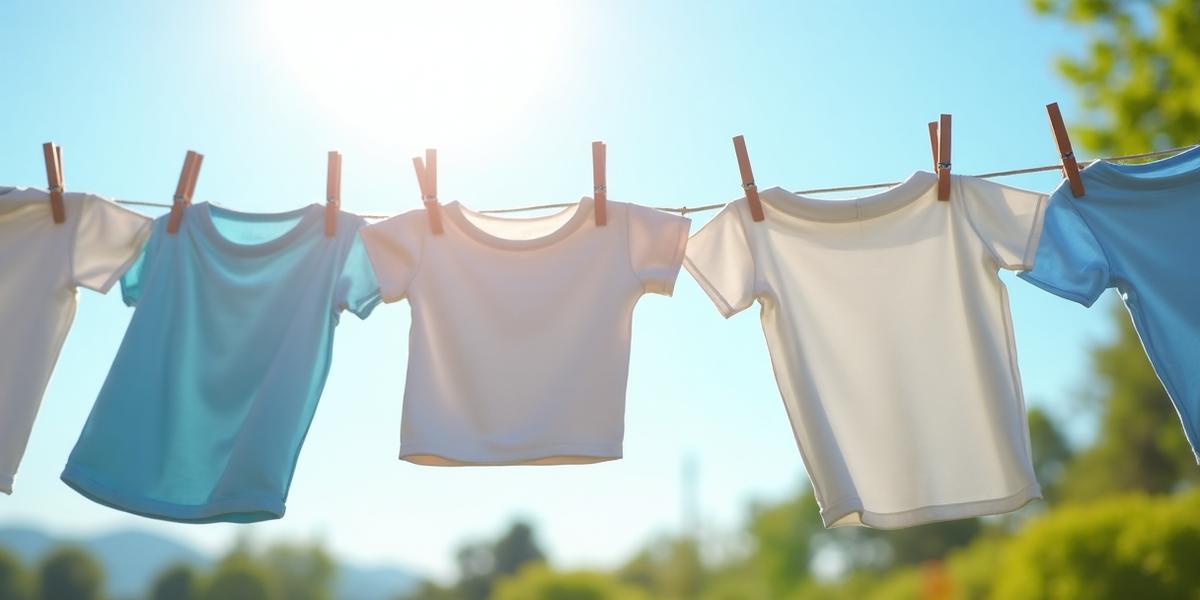
The ultimate energy-efficient principle is to bypass the dryer entirely when possible. Air drying—whether on an outdoor clothesline or an indoor folding rack—costs zero dollars and is the gentlest way to treat your garments.
Even if you can't air dry everything, hanging up heavy items like jeans or towels can significantly reduce the load on your mechanical dryer.
How to Clean Dry Clean Only at Home and Not Shrink the Sweater
The "Never-Shrink" Toolkit
- •
A clean basin or sink
- •
Gentle Wool/Silk Detergent: (e.g., Woolite or Eucalan). Avoid standard detergents, which are too alkaline and "strip" natural fibers.
- •
Two large, white towels: (White prevents dye transfer).
- •
Drying rack (Optional).
The 5-Step Home Cleaning Process
1The Cold Soak
Fill your basin with cool water (never hot). Hot water is what causes the fibers to "felt" and shrink. Add a small amount of gentle detergent and swirl the water with your hand until it's slightly sudsy. Turn the sweater inside out and submerge it. Let it soak for 15–20 minutes.
2Minimal Agitation
Do not scrub or wring the fabric. Instead, gently squeeze the soapy water through the fibers. Scrubbing causes friction, and friction + water = shrinking.
3The Temperature-Matched Rinse
Drain the basin and refill with fresh, cool water. It's important that the rinse water is the same temperature as the wash water. Drastic temperature changes (going from warm to cold) can "shock" fibers like wool into shrinking. Rinse until the water runs clear.
4The "Burrito" Roll (Crucial Step)
Never wring out a wet sweater. Wringing snaps fibers and permanently distorts the shape.
- 1.Lay the sweater flat on a clean, dry white towel.
- 2.Roll the towel up tightly like a burrito with the sweater inside.
- 3.Press down firmly on the roll to absorb the excess moisture.
5Reshaping and Flat Drying
Unroll the towel and move the sweater to a fresh, dry towel or a flat drying rack. "Block" the sweater by gently patting it back into its original shape (straightening the sleeves and squaring the shoulders).
⚠️ Warning: Never hang a wet sweater on a hanger. The weight of the water will stretch the shoulders into "shoulder nipples" and lengthen the garment.